


Fun Activities for Seniors to Stay Healthy


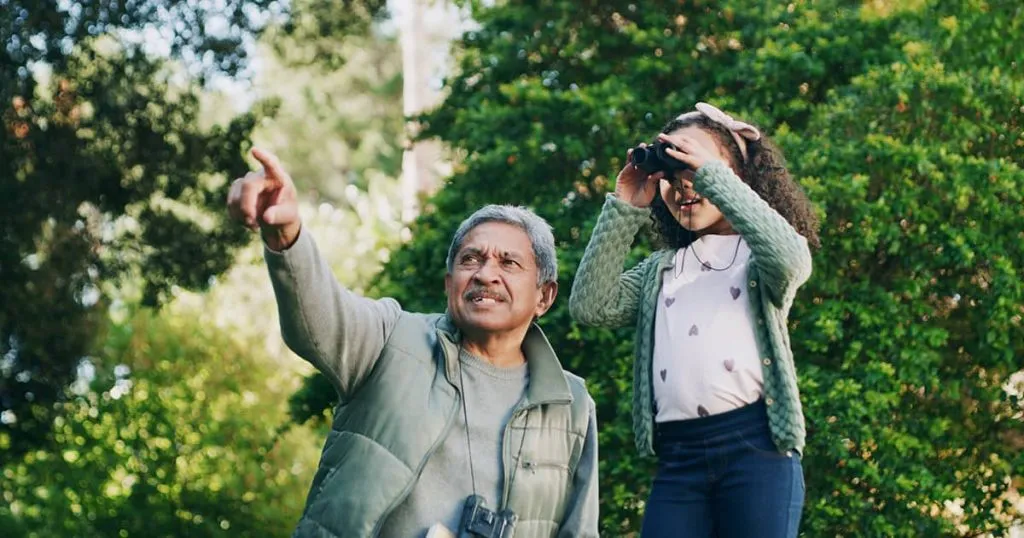
Activities for seniors should feel both doable and enjoyable and can include walking, gardening, yoga, brain games, crafts, volunteering, reading, puzzles and social outings. The best activities for older adults are often the ones that match your interests, mobility, energy level and mental health needs.
Key takeaways
Activities for older adults can support physical, mental and social well-being.
Older adults should aim for a mix of aerobic, muscle-strengthening and balance activities, based on their health and abilities.¹
Social activities, creative hobbies and brain games can help make staying active feel more enjoyable.
Solo activities like reading, puzzles, gardening, photography or walking can help fill quiet days.
Group activities like classes, clubs, volunteering or community events can help build connection.
Start small and choose activities you can enjoy safely and consistently.
Activities for seniors by wellness goal
Some seniors want activities that support strength or balance to help them remain independent. Others may want more social connection, creativity or mental stimulation. No matter the goal, you can match an activity to the kind of well-being you want to support.
Wellness goal
Activity ideas
Move more
Walking, swimming, chair exercises, yoga, tai chi, dancing
Support balance and mobility
Balance exercises, stretching, tai chi, light strength training
Stay socially connected
Book clubs, volunteer groups, senior center events, walking groups, game nights
Keep your mind engaged
Reading, puzzles, chess, Sudoku, learning a language, memory games
Be creative
Painting, music, quilting, photography, writing, cooking
Relax and recharge
Gardening, meditation, birdwatching, gentle stretching, listening to music
Outdoor activities for seniors
Outdoor activities can give older adults a fun way to move, enjoy fresh air and connect with nature. Research has found that neighborhoods with more green space and a greater variety of birds are associated with better mental well-being. That’s one more reason activities like walking, gardening and birdwatching can be enjoyable parts of a healthy routine.²
Walking can be a simple place to start because it does not require special equipment and can be adjusted to your pace. Dr. Tammy Lovette, board-certified family medicine physician and vice president and medical director at Mutual of Omaha, says, “Walking is one of the best exercises for long-term heart health because it’s free, accessible and doesn’t require equipment. It can support cardiovascular health, bone density and mental well-being, especially when you’re able to get outside.”
More fun outdoor activities for seniors include:
Gardening: Plant flowers, grow herbs or work in raised garden beds.
Birdwatching: Identify birds by color, sound or season.
Fishing: Spend quiet time near a pond, lake or river.
Farmers market visits: Walk, browse fresh foods and enjoy the local community.
Yard games: Try bocce ball, cornhole, horseshoes, shuffleboard or badminton.
Outdoor stretching or yoga: Move gently in a shaded, comfortable spot.
Nature photography: Take photos of flowers, birds, pets or scenery.
Community events: Visit outdoor concerts, fairs, festivals or garden tours.
Walking a dog: Build a simple outdoor routine with companionship.
Picnics or reading outdoors: Enjoy a low-key activity on a porch, patio or park bench.
Indoor activities for senior health
Fun indoor activities for seniors can include chair exercises, gentle stretching, cards, crafts, cooking, journaling, music, puzzles, online classes and video calls with family or friends.
These activities can be helpful when weather, transportation or mobility concerns make it harder to get outside. Some indoor activities involve movement, while others support creativity, focus, relaxation or social connection.
Other indoor activity ideas include:
Games: Play bingo, cards, puzzles or trivia.
Yoga or chair exercises: Move gently at a comfortable pace.
Crafts: Paint, knit, crochet or quilt.
Cooking or baking: Try a new recipe or family favorite.
Letter writing or journaling: Write notes, memories or reflections.
Art galleries or museums: Explore exhibits or take a guided tour.
Playing music: Play an instrument or listen to favorite songs.
Gentle stretching: Ease stiffness with simple movements.
Indoor walking: Walk at a mall or community center.
Online classes: Learn from home with virtual classes.
Scrapbooking: Organize photos and family memories.
Video calls: Stay connected with family and friends.
Audiobooks or podcasts: Listen while relaxing, walking or doing work around the house.
Brain games for active seniors
Playing games that challenge your attention, memory and problem-solving skills can be a fun way to stay mentally engaged. While brain games and hobbies should not be treated as a cure or prevention strategy for memory loss, they can be one enjoyable part of a healthy routine. If you or a loved one has concerns about memory changes, talk with a doctor. To add more mental activity to your day, here are a few ways to keep your mind sharp:
Chess: Practice strategy and problem-solving.
Crossword puzzles: Build vocabulary and recall.
Sudoku: Challenge logic and number skills.
Reading: Enjoy books, magazines or articles.
Mobile apps or games: Try puzzle games like Wordle or Brain Age.
Learn a new language: Practice new words and phrases.
Jigsaw puzzles: Work on focus and visual thinking.
Trivia games: Test memory and learn new facts.
Word games: Play Scrabble, word searches or spelling games.
Music lessons: Learn an instrument or practice singing.
Creative writing: Write stories, poems or capture your memories.
Online learning classes: Explore a new topic from home.
Memory games: Practice matching, recall or pattern recognition.
Social activities for seniors
The CDC notes that social connectedness is tied to well-being and overall life satisfaction for any age group.³ Social activities for seniors can include walking groups, book clubs, volunteer groups, senior center classes, faith-based groups, dance classes, cooking clubs and community events. These activities can help older adults stay connected, build routine and enjoy shared interests.
Movement and connection can also work together. Dr. Lovette says, “Regular exercise and social connection are both important for physical and mental health. Walking with friends can make movement more enjoyable and easier to keep as part of your routine.”
Social activity ideas include:
Dancing: Move to favorite music in a group class or social setting.
Picnics: Share a simple meal outdoors with friends or family.
Community garden groups: Plant flowers, herbs or vegetables with others.
Card or board game groups: Play games while enjoying conversation.
Visit local fairs, festivals or museums: Explore community activities and seasonal events.
Book clubs: Read and discuss books with others.
Walking groups: Stay active while socializing.
Senior center classes: Try fitness, art, music or educational programs.
Volunteer groups: Support a cause while meeting new people.
Faith-based or community groups: Connect through shared interests or values.
Cooking clubs: Make recipes and share meals together.
Art or music classes: Learn a creative skill in a group setting.
Group fitness classes: Try low-impact movement with an instructor.
Intergenerational activities with children or grandchildren: Spend time with children or grandchildren through games, crafts or outings.
Activities seniors can do alone
If you are bored or spending more time at home, solo activities can still be meaningful, enjoyable and healthy. Good activities to do alone include:
Reading or audiobooks: Enjoy stories, news or favorite topics.
Walking: Choose a familiar, safe area.
Gardening: Tend flowers, herbs or indoor plants.
Puzzles or word games: Try Sudoku, crosswords or matching games.
Trying a new recipe: Make a new recipe or family favorite.
Writing letters or journaling: Write notes, memories or reflections.
Photography: Take photos of people, pets or nature.
Learning: Practice a language or take an online class.
Organizing keepsakes: Sort family photos, albums or mementos.
Gentle stretching or chair exercises: Move at a comfortable pace.
As Dr. Manoj Pawar, chief media officer at Mutual of Omaha explains, “A successful health plan focuses on what is doable now. Small, steady wins are far more effective than trying to overhaul your entire lifestyle overnight.”
Group activities for senior adults
Group activities can be a good option if you want more structure, accountability or social time. Consider:
Walking clubs: Stay active while socializing outdoors or indoors.
Water aerobics or low-impact fitness classes: Move gently with instructor guidance.
Dance classes: Enjoy music, movement and social time.
Book clubs: Read and discuss books with others.
Volunteer opportunities: Support a cause and meet new people.
Gardening groups: Plant flowers, herbs or vegetables together.
Community center events: Join classes, meals, games or local programs.
Card or board game groups: Play games while connecting with others.
Choirs or music groups: Sing, play or listen with a group.
Art, pottery or photography classes: Build creative skills in a social setting.
Local fairs, festivals or museum events: Explore community activities and exhibits.
If you are trying a new physical activity, ask your doctor what level of movement is appropriate for your health, balance and mobility.
How to choose safe activities for your health and mobility
The right activity is one you can do safely, enjoyably and consistently. Before starting a new exercise routine, always consult with your doctor, especially if you have knee pain, arthritis, balance concerns, an injury, a chronic condition or a recent surgery.
It is also important to start at a pace that fits your current health and activity level. Dr. Lovette explains, “As we age, changes in our joints and muscle mass can make injuries more likely. If you haven’t been exercising regularly, it’s important to build up slowly and talk with your doctor about how to get started safely.”
When choosing activities, consider:
Mobility: Can I do this comfortably with my current strength, balance and range of motion?
Energy level: Can I start small and build over time?
Safety: Do I need supportive shoes, a walking partner, railings or a chair nearby?
Weather: Do I need an indoor option for hot, cold or icy days?
Enjoyment: Is this something I will actually want to do again?
Social preference: Do I want to do this alone, with a friend or in a group?
Try both indoor and outdoor activities and find multiple ways to build enjoyable movement into your life.4
How activities can support healthy aging
Regular physical activity may support strength, mobility, balance, sleep and mood. It can also help you spend time with others, get outdoors and enjoy hobbies that make daily life feel more engaging.5 Staying mentally active through reading, games, creative hobbies or learning something new may also support focus, confidence and overall well-being.
It’s never too late to find activities you enjoy. Whether you’re planning for retirement or already enjoying it, start with what feels realistic, talk with your doctor before beginning or changing an exercise routine and look for activities that support your body, mind and social well-being.
Keep finding activities that fit your life
Staying active isn’t just exercise, it includes hobbies, social time and daily routines that support your overall well-being. For Medicare-age adults, it can also mean planning ahead by understanding health care options.
Try our easy-to-use Medicare Advice tool to learn what might be a fit for you:
Frequently asked questions (FAQs) about activities for seniors
What activities do older people do?
Older adults may enjoy walking, gardening, yoga, puzzles, games, reading, cooking, volunteering, music, crafts, fitness classes and community events. The best activities are often the ones that fit a person’s interests, health, mobility and social preferences.
What are some fun activities for the elderly?
Fun activities for older adults can include dancing, birdwatching, photography, book clubs, card games, gardening, cooking, painting, visiting museums, attending local events or joining a walking group. Activities can be active, creative, social or relaxing.
How can seniors stay active and social?
Seniors can stay active and social by choosing activities that combine movement with connection, such as walking groups, dance classes, gardening clubs, volunteer work, community events or group fitness classes. The best option is one that fits your health, mobility and interests.
How can older adults meet new people after retirement?
Older adults can meet new people after retirement by joining clubs, taking classes, volunteering, attending senior center events, joining faith-based or community groups, or participating in walking groups or hobby groups. Shared activities can make it easier to build connection over time.
How can my elderly parents stay active at home?
Older adults can stay active at home with simple activities like chair exercises, gentle stretching, indoor walking, puzzles, cooking, reading, video calls, music, journaling or organizing family photos. Always encourage them to talk with their doctor before starting or changing an exercise routine.
What should a 70-year-old be doing every day?
A 70-year-old’s daily routine should depend on their health and doctor’s guidance, but it may include movement, mental stimulation, social connection, meals, hydration and rest. Even short walks, stretching, puzzles, phone calls or hobbies can help create a balanced routine.
What can bored seniors do alone?
Seniors who are bored can try solo activities like reading, puzzles, audiobooks, gardening, journaling, cooking, photography, online classes, gentle stretching or organizing family photos. Choosing one small activity each day can make quiet time feel more purposeful.
Sources:
Centers for Disease Control and Prevention. (2025, December 4). Older Adult Activity: An Overview. https://www.cdc.gov/physical-activity-basics/guidelines/older-adults.html
Chen, S., Wang, H., & Xu, W. (2025). Bird richness as a mediator between greenspace and mental health relationships. Landscape and Urban Planning, 259, 105360. https://doi.org/10.1016/j.landurbplan.2025.105360
Centers for Disease Control and Prevention. (2026, January 28). Community & Connection. https://www.cdc.gov/mental-health/about-data/community-connection.html
National Institute on Aging. (2025, January 14). Tips for Getting and Staying Active as You Age. https://www.nia.nih.gov/health/exercise-and-physical-activity/tips-getting-and-staying-active-you-age
National Institute on Aging. (2025, January 14). Health Benefits of Exercise and Physical Activity. https://www.nia.nih.gov/health/exercise-and-physical-activity/health-benefits-exercise-and-physical-activity

Reviewed by Dr. Tammy Lovette, MD, ABFM
Medical Director, Mutual of Omaha
Dr. Lovette is a board-certified Family Medicine physician and Medical Director at Mutual of Omaha. Her clinical career, followed by 15+ years in disability insurance medicine, have strengthened her belief in the power of preventative medicine and education about chronic disease management. In her free time, Dr. Lovette enjoys traveling with her husband, exercising with her dogs, and baking southern treats for family and friends.
Suggested content for you in Health & Well-Being
-
How Stress Affects the Brain and How to Manage It After 50
-
Artificial Intelligence: Your ‘Assistant’ for Navigating Senior Living
-
How to Improve Sleep Quality for Brain Health
-
Best Exercises for Brain Health After 50
-
7 Ways to Keep Your Kidneys Healthy
-
7 Low-Impact Exercises for Seniors Who Want to Stay Active
-
What Is Healthspan? How to Stay Active and Independent Longer
-
How to Prepare for Your Welcome to Medicare Visit
-
How to Keep a Personal Health File After 65
-
How to Prepare for a Medicare Annual Wellness Visit
Explore other topics
Eating Well
Is Keto Diet Safe for Older Adults?Medicare Parts & Plans
Medicare Supplement Plan G vs. Plan N: Which One’s Best for You?Traveling in Retirement
Top 5 Cities for Seniors to Retire All Categories
 Medicare
 Retirement Planning
 Business Resources
 Life Insurance
 Financial Planning
 Health & Well-Being
 Travel & Living